PHOTOS —>>. https://photos.app.goo.gl/nNrsUDQ9KVFJ3FS8A
Bahia de los Muertos

“Bahía de los Muertos” translates to “Bay of the Dead”. It is the large, sheltered bay that we entered after our horrendous passage. The bay is known for its beautiful scenery, kite surfing, hiking, and mysterious historical ties to silver mining.

The bay is named for heavy, buried anchors, aka “dead men” used by ships in the 1800s to load silver from the El Triunfo mine.
We anchored, John went for some well earned rest, while I cleaned up all the mess.

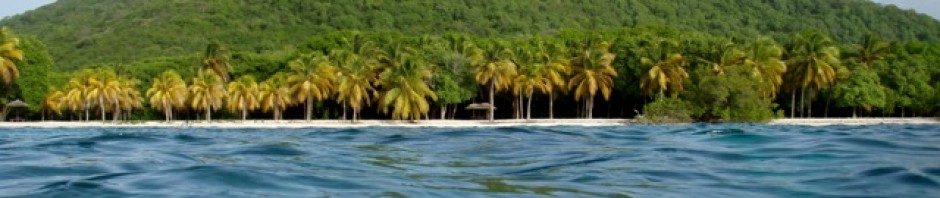
After lunch we went ashore to stretch our legs and to enjoy the amazing beach. Another very nice feature of the area is that there is no swell so beaching the dinghy is a treat.


Once ashore we just happened to land the dinghy next to another one. The couple, who were British and our age accompanied us while walking towards the small slip way. They told us about the area and recommended the little restaurant at the end of the bay.

I found several lovely shells, we both enjoyed the scenery and short outing.

Next morning we went ashore with the purpose of walking the beach. It was wonderful to walk along the beach passing different seabirds, finding all types of shells, plus enjoying the warm, dry, air.

After walking down the beach I climbed up the sand dune and started walking across the tops of them. From up there the bay looked stunning.


However I had to be careful with all the thorns and burrs. The plant life is definitely different, mainly shrubs and cactus of differing types. While on the ground there are thorns of all shapes and sizes. Another excellent walk.


Meanwhile out in the bay there were these folks using foils to fly over the sea. They were quite incredible to watch.

The following day we headed ashore to walk in the other direction, which was passing the very old dock area from the mining company.

The El Triunfo mining company struck silver, and gold, quite a lot of it thus making this bay an important place to ship from. They built a narrow set of tracks for a rail car system to bring the ore down the mountain, then load it on ships anchored in this beautiful bay.


Walking past the old docks we saw what was left after all the many years. Apparently they also buried six train car axels in the soft sandy bottom that are likely still there today….the dead men.


There was a nice view across the bay that we enjoyed before cutting up a rough path and turning back. Both of us were amazed by the massive cactus.


It is the Cardón cactus, a name derived from the Spanish word cardo, meaning “thistle”.


It is also known as the Mexican giant cactus or elephant cactus. This cactus is the tallest cactus species in the world
We found our way back via the restaurant where we had a wonderful meal.


Plus we enjoyed the amazing view across the bay.
In the morning, bright and early we were off to Bahia Falso. The passage was an easy one.
I was completely fascinated by the landscape we passed.

It is just incredible! The rugged folding mountains with gully running down at all different angles with sands and rocks of multi color.

Bahia Falso

This bay is just after the main entrance and just before the next entrance into the La Paz anchorage. It is another large bay that offers good protection. We needed to stop here in order to get the ingoing tide the next morning to enter the main anchorage.

That morning before we left we had quite a display from hundreds of sea birds. Literally hundreds of pelicans and cormorants basically rounded up and feasted on the very large shoal of fish.

It was incredible to watch. The cormorants beat the water with their wings while others dove for fish. The pelicans glided around the perimeter feasting too. Neither of us had ever seen anything like it before.

Entering the La Paz anchorage we carefully followed the channel around the sand bars. We chose to anchor off of the La Paz marina where there was a dinghy dock we could use. The anchorage itself is very large, but has wandering sand bars so caution needs to be taken. There were a large number of other vessels, we made for the far end of the field.

La Paz marina.

According to what we read the La Paz Marina was one of the first floating marinas in Mexico, offering slips and easy access to the city for cruising boats.

It is a busy marina and has all the usual amenities. Our first time ashore we went for a stroll to stretch our legs.

The city was quite busy, but pleasant. Again, colourful murals and small tiendas were along the streets nearby. Next we ate lunch in the restaurant in the marina which looks out over the marina.

Our second day we headed off to “check in.” Another easy process, the authorities are friendly, and helpful. For our walk back we walked along the La Paz malecon.

Along the malecon in La Paz, as with other seaside Mexican cities, there are various sculptures. Through these you are able to learn about the history and culture that make this city.

Known as the world’s aquarium, this area a special region. One of the most emblematic sculptures is a statue of Jacques Cousteau or El Viejo y El Mar. In the middle of the malecon are the LA PAZ, signage, and a park for children. This area was decorated for Christmas.


There was a small street market with craft stalls and others. We had a look around and did a bit of Christmas shopping for each other


We found a wonderful restaurant and had a delicious meal. Fish tacos for me and shrimp for John.


We finished off our La Paz visit by visiting grocery store and stocking up with essentials. And then we headed out to explore Espirtu Santo in anchorages.
“Dreams express what your soul is telling you, so as crazy as your dream might seem….. You have to let that out.’ – Eleni Gabre-Madhin